Giorgia Melonis Rechtsruck und die Folgen für Geflüchtete

[Anm. d. Red.: Dieser Artikel erschien im Juni 2024 bei Gesundheit braucht Politik, Ausgabe 2/24: https://www.vdaeae.de/gesundheit-braucht-politik/archiv/]

Giorgia Meloni und die Fratelli d’Italia

Am 25. September 2022 wurde die postfaschistische Partei Fratelli d’Italia (FdI) bei den italienischen Parlamentswahlen mit 26% der Stimmen stärkste politische Kraft. Wenige Wochen später vereidigte Staatspräsident Sergio Mattarella die neue Regierung, eine Drei-Parteien-Koalition bestehend aus der FdI, der rechtspopulistischen Lega per Salvini Premier und dem Mitte-Rechts-Bündnis Forza Italia des mittlerweile verstorbenen Silvio Berlusconi. Als Vorsitzende der stärksten Partei trat Giorgia Meloni als erste Frau überhaupt das Amt der italienischen Ministerpräsidentin an, nennt sie sich seitdem jedoch konsequent il (der!) presidente.1

Continue reading “Giorgia Melonis Rechtsruck und die Folgen für Geflüchtete”

Blick nach England: andauernde Streiks im National Health Service

[Anm. d. Red.: Dieser Artikel erschien im März 2024 bei Gesundheit braucht Politik, Ausgabe 1/24: https://www.vdaeae.de/gesundheit-braucht-politik/archiv/gbp-ausgabe-1-2024/]

Kurz nach dem Jahreswechsel fand in England der längste Streik in der 75-jährigen Geschichte des National Health Service (NHS) statt. Zwischen dem 3. und dem 9. Januar legten nach Angaben des NHS mehr als 25.000 Assistenzärzt:innen und Auszubildende der Zahnmedizin ihre Arbeit nieder.[1] Nach einem erneuten Streik vom 24. bis zum 28. Februar mussten seit Beginn der Arbeitskämpfe im gesamten NHS im Dezember 2022 mittlerweile mehr als 1,4 Millionen ambulante und stationäre Behandlungen verschoben werden.[2]

Continue reading “Blick nach England: andauernde Streiks im National Health Service”

Das Dilemma medizinischer NGOs: Ein Bericht aus Thessaloniki

[Anm. d. Red.: adaptierte Übersetzung des Artikels, welcher zuerst im Juni auf englisch erschein]

Aufgrund der zunehmenden Migration nach Europa im Laufe des letzten Jahrzehnts[1] und der weiterhin unzureichenden gesundheitlichen Versorgung von Geflüchteten durch die Mitgliedsstaaten der Europäischen Union (EU) haben zahlreiche Nichtregierungsorganisationen (NGOs) begonnen, medizinische Nothilfe zu leisten. Meine Partnerin und ich haben kürzlich fünf Monate als Ärzt:innen bei einer deutschen Hilfsorganisation in Thessaloniki verbracht, die mittlerweile multidisziplinäre Teams nach Polen, Serbien, Bosnien-Herzegowina und Griechenland versendet. Der Großteil unserer dortigen Arbeit umfasste ärztliche Sprechstunden in einer eigens von der NGO eingerichteten Praxis und dem am Stadtrand gelegenen Flüchtlingslager. Kurz nach unserer Ankunft übernahmen wir zudem die medizinische Koordination des Projekts, sodass wir uns zusätzlich um die Personalplanung, die Abstimmung bei Notfällen und die Kommunikation mit den verschiedenen Akteur:innen des griechischen Gesundheitswesens kümmerten. Darüber hinaus oblag uns die enge Kooperation mit diversen Partner-Organisationen, welche sich beispielsweise mit der Verteilung von Lebensmitteln und ehrenamtlicher Rechtsberatung beschäftigen.

Continue reading “Das Dilemma medizinischer NGOs: Ein Bericht aus Thessaloniki”

The long-term benefits of NGO work

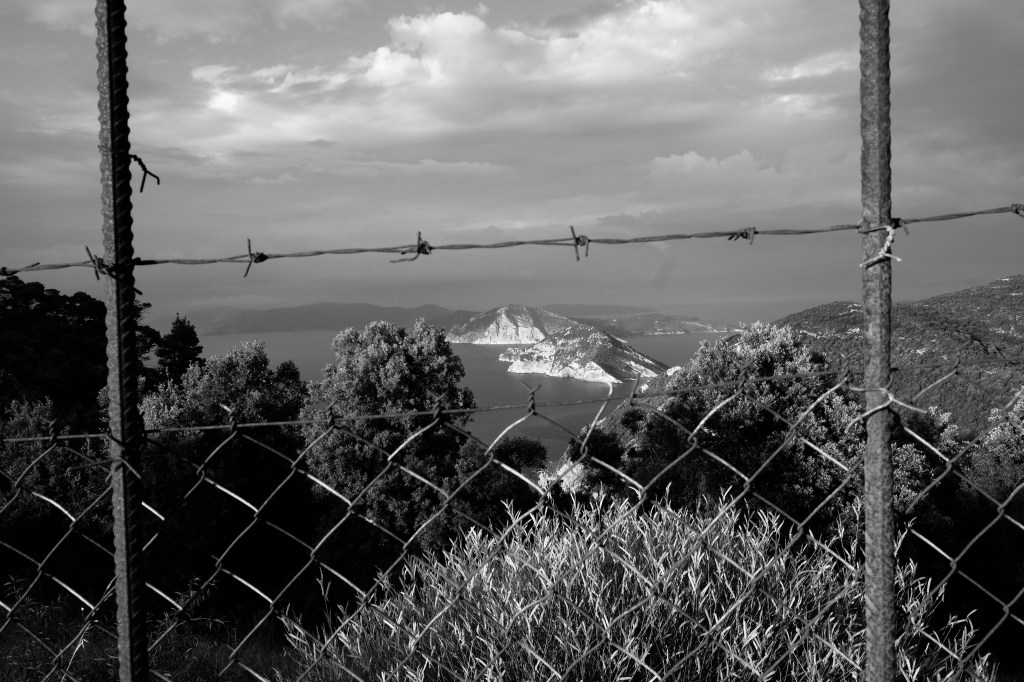
As discussed in previous posts on this platform, my partner and I recently spent five months working for a medical non-governmental organisation (NGO) in Thessaloniki, Greece. After an intense last week, during which we handed over the medical coordination, wrapped up unfinished work and said our goodbyes to new friends and colleagues, we travelled to the island of Skopelos. Holidaying between luscious green forests and sun-flooded beaches, the evenings spent among Greeks at their laid-back and hospitable best, it’s been tempting to be lulled into reconciliation with this beautiful continent. Yet while I’ve immersed myself in the pleasures of island life and caught up some sleep, death and torture on the Evros river, the natural border between Greece and Turkey, continue. As do the mistreatment of refugees in detention centers, illegal pushbacks to Turkey and brutal broom operations in Athens and Thessaloniki,[1] all of which are the deliberate consequences of decisions made by our elected representatives in Brussels and Athens.

Continue reading “The long-term benefits of NGO work”

The dilemma of medical NGOs

This January, my partner and I started working for a medical NGO in Thessaloniki, Greece (a detailed description of the project can be found here). A month after our arrival, we were asked to take on the medical coordination. This has meant additional responsibilities such as overseeing medical staff, answering emergency calls and communicating with various actors within the Greek healthcare institutions. An interesting part of the role has also been the collaboration with other NGOs. We cooperate with several partners offering services from the distribution of food and non-food-items to legal support and safe spaces for women. Beyond these, we also maintain close relations with other medical organisations in the area.

Continue reading “The dilemma of medical NGOs”

First impressions from Thessaloniki

In the wake of increased migration to Europe over the past decade, and due in no small part to substandard healthcare for refugees, a number of non-governmental organisations (NGOs) have started providing emergency medical care. As fourth-year residents in internal medicine, my partner and I had begun to feel confident that we could make a useful contribution. Several colleagues had already volunteered with a German NGO currently operating in Bosnia, Serbia and Greece and recommended them as an experienced set-up with good connections on the ground. After months of planning, we thus arrived in Thessaloniki at the beginning of 2022 in order to work for the local project. I plan to share my experiences through a series of essays on this platform.

Continue reading “First impressions from Thessaloniki”

The forgotten role of lotteries in democracy

What does it mean to live in a democracy? For those of us raised in the West, the response involves the concept of voting; the claim being that we live in a democracy only if we, the people, come together at regular intervals to determine those who will govern us. Yet if we examine the actual meaning of the word, this association is actually rather surprising, with demos translating roughly to ‘the common people’ and kratia to ‘power’ or ‘rule’. A more reasonable definition of democracy would thus entail any system that ensures that we, the people, govern ourselves.

Continue reading “The forgotten role of lotteries in democracy”

Modern segregation

I was out with a good friend last year, in search of a late breakfast, when I was once again confronted with the extent of modern segregation. It was a crisp and bright Sunday in late November. We were strolling down Eisenbahnstrasse in the German city of Leipzig which had, until recently, been considered the most dangerous street in the country[1]. But a whirlwind of gentrification had moved through the area, removing all signs of former threats. We’d been out all night and barely slept and I was craving a coffee as we walked past a colourful mixture of cafés, run-down casinos, vintage shops and shisha bars, discussing the night’s events and taking in the Sunday sights. At first glance, the neighbourhood appeared to be a bustling, multicultural hub, with people of a variety of backgrounds going about their day. Yet on closer inspection, the scenes in Leipzig – recently praised by the New York Times as Europe’s new ‘‘cool-kid-town’’[2] – were among the most segregated I’ve ever seen.

Continue reading “Modern segregation”

Why the Left needs to get its priorities straight

With the rise of Donald Trump, France’s National Front and Austria’s FPÖ, to name just a few, the question of what has happened to the voice of the political Left has been asked very frequently over the course of the last year. One of their most important problems was highlighted quite accurately by U.S. political commentator Bill Maher in his ‘Real Time’ show in January 2017:

‘‘You know in 2016, conservatives won the White House, both Houses of Congress and almost two-thirds of governorships and state legislatures. Whereas liberals[,] on the other hand, caught Steve Martin calling Carrie Fisher beautiful in a tweet and made him take it down.’’ [1]

Continue reading “Why the Left needs to get its priorities straight”